IV vitamin therapy is sold with a great deal of confidence and studied with considerably less. Here is an honest account of where it helps, where it probably does not, and how to decide whether it is worth your money.
Medically reviewed by Kent Cohen, MD, FACEP — Medical Director, Balanced Bodies: Longevity + Wellness Clinic. Last reviewed October 2026.
The one thing IV genuinely does better
Intravenous delivery bypasses the digestive system, putting fluid and nutrients directly into the bloodstream at full availability.
That matters in specific circumstances: when you are genuinely dehydrated, when you cannot keep fluids down, when you have a condition or surgical history that impairs absorption, or when a deficiency is severe enough that oral repletion is too slow.
In those situations IV is not a luxury, it is the appropriate route. That is the honest case for it and it is narrower than the marketing suggests.
Where the evidence is thin
For a healthy, well-nourished person with a functioning gut, the picture is different.
If you are not deficient in a vitamin, giving you more of it intravenously does not create a benefit — it mostly produces expensive urine, because water-soluble vitamins above what your body needs are excreted. The research on IV micronutrient therapy for general wellness, energy and immune support in otherwise healthy people is limited, and much of what exists is small or poorly controlled.
Claims that IV therapy cures hangovers, prevents illness, detoxifies, reverses ageing or reliably boosts energy in healthy people outrun the evidence. We are not going to make them.
NAD+ infusions deserve a specific mention because they are heavily promoted and expensive. The underlying biology is genuinely interesting and the human clinical evidence for the benefits commonly claimed is early and limited. Anyone presenting it as established is going beyond what has been shown.
The part people underestimate: feeling better is not nothing
Many patients report feeling better after an infusion, and we are not going to pretend otherwise or wave it away.
Some of that is real — rehydration genuinely helps if you were dehydrated, and correcting a genuine deficiency genuinely helps. Some of it is the placebo response, which is a measurable phenomenon rather than an insult. And some is simply forty-five minutes sitting still in a quiet room, which few people get enough of.
Whether that is worth the price is your decision. We would rather you made it knowing which part is which.
When we think it is genuinely worth it
A rough week on a GLP-1. Patients struggling with nausea and poor intake after a dose increase are the clearest case. Fluids and B vitamins at a point where eating is hard do real work. Our weight loss patients use it this way more than anyone.
Confirmed deficiency where oral has not worked. If your labs show low vitamin D or B12 and oral supplementation has not moved it, a different route is reasonable.
Dehydration after illness or hard training. Straightforwardly appropriate.
Absorption problems. Post-bariatric surgery, inflammatory bowel disease and similar conditions change the calculation entirely.
When we will tell you to save your money
If you are healthy, eating reasonably, your labs are unremarkable and you are looking for a general lift, we will say that the evidence does not support spending on a regular drip, and suggest looking at sleep, training and diet instead.
That conversation costs you nothing, because the consultation is free.
Safety, briefly
IV therapy is a medical procedure, not a spa treatment. It carries real if uncommon risks: infection at the insertion site, vein irritation, fluid overload in people with heart or kidney disease, and allergic reactions. High-dose vitamin C is not appropriate for people with G6PD deficiency or certain kidney conditions.
It should be administered by licensed clinical staff in a clinical setting, after someone has reviewed your history. That is how we do it.
What we offer
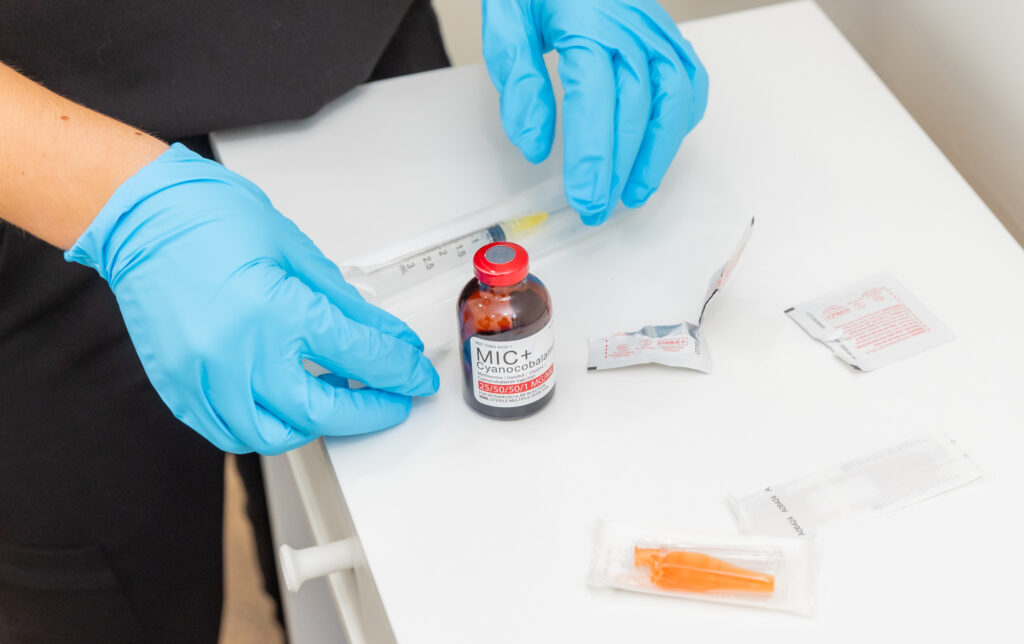
Drips from $120 and vitamin injections from $25, at our Marietta clinic, walk-in friendly during opening hours. Details on the IV therapy page and the vitamin injections page, and everything is on our published price list.
Book a free consultation or call (678) 919-4845.
Further reading
NIH Office of Dietary Supplements: Fact Sheets
This article is general information, not medical advice. IV therapy is not a treatment for any disease and is not a substitute for medical care. Individual responses vary.