When weight comes off quickly, some of what you lose is muscle, not just fat. Resistance training and adequate protein are the two levers that most consistently limit that loss — and if you are taking a GLP-1, where appetite drops sharply and the scale can move fast, they matter more rather than less.
Medically reviewed by Kent Cohen, MD, FACEP — Medical Director, Balanced Bodies: Longevity + Wellness Clinic. Last reviewed October 2026.
Losing weight and losing fat are not the same thing
A bathroom scale measures everything: fat, muscle, bone, water and whatever you ate last night. It cannot tell you which of those went down.
That distinction matters because lean muscle does real work. It is metabolically active tissue, it carries you through daily life, and it plays a meaningful role in how your body handles blood sugar. Lose a significant amount of it and you can end up lighter but weaker, with a lower resting metabolic rate that makes keeping the weight off harder than losing it was.
What this means if you are taking a GLP-1
GLP-1 medications like semaglutide and tirzepatide work in large part by reducing appetite. That is the point, and it is why they work. But eating substantially less creates two risks worth naming: protein intake often falls along with everything else, and weight can come off faster than the body adds any incentive to hold on to muscle.
[Optional — ask Dr. Cohen whether to cite a specific figure here on the proportion of lean mass lost in GLP-1 trials, with the study named. A sourced number is more persuasive than a general statement, but it should be one he is comfortable standing behind.]
This is not an argument against GLP-1 medications. It is an argument for pairing them with the things that protect lean mass, which is how we structure our medical weight loss program.
What actually protects muscle
Resistance training, two to four times a week
Lifting gives your body a reason to keep the muscle it has. You do not need a complicated program or a gym membership to begin — bodyweight movements and resistance bands count, and consistency matters more than intensity at the start. What does matter is working the major muscle groups and gradually asking a little more of them over time.
Enough protein, spread across the day
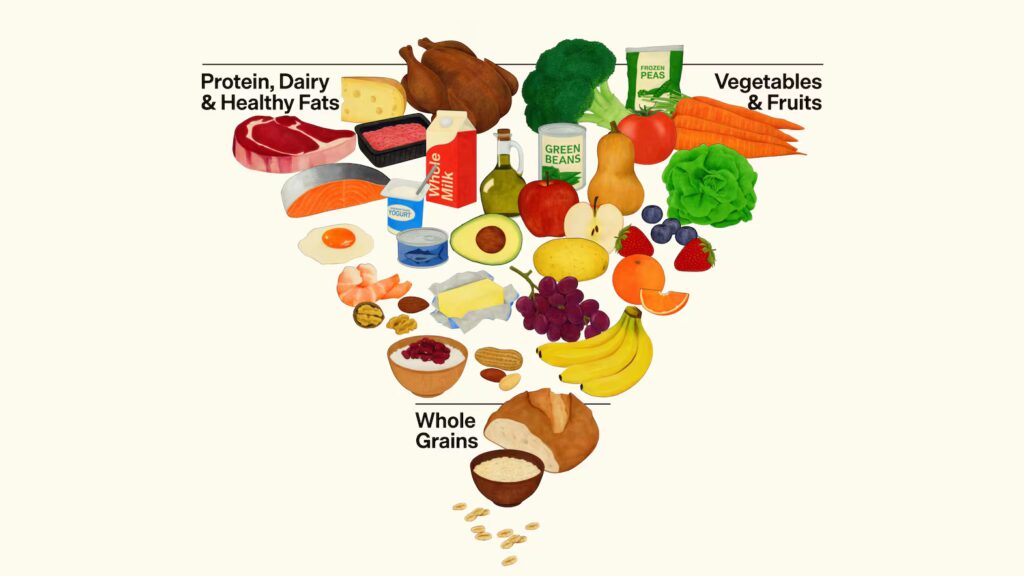
Protein is the raw material your body uses to maintain muscle. On a reduced appetite this is the hardest nutrient to get enough of, which is why we suggest eating the protein portion of a meal first. Your provider will set a daily target appropriate to your body and your goals rather than a generic number.
A sustainable rate of loss
Faster is not better. Dose titration exists partly for this reason, and some patients do well on lower doses held longer — something we cover in our post on GLP-1 microdosing. If you are weighing which medication fits, our semaglutide and tirzepatide comparison goes through the differences.
Why we scan instead of guess
We run InBody body composition scans at the start of your program and at intervals along the way. The scan separates fat mass from lean mass, so instead of watching a single number fall we can see what is falling.
That changes what we do. If lean mass is trending down faster than we would like, there are levers to pull: raising protein, adjusting how quickly the dose escalates, or adding resistance work. Without the scan, none of that is visible — the scale would show progress either way.
Does cardio still matter?
Yes, for your heart, your conditioning and your general health. It is simply not the main lever for holding on to muscle while losing weight. Walking in particular is underrated: it is sustainable, it is easy to recover from, and most people will actually keep doing it.
The useful framing is not cardio versus lifting. It is that each is doing a different job.
Where to start
If you are already on a GLP-1 somewhere else, or thinking about starting, a good first step is simply finding out what your body composition looks like today. Your first visit with us includes a conversation with a provider, lab work where it is warranted, and a baseline InBody scan. There is no charge for the consultation.
Book Free Consultation or call us at (678) 919-4845. Our pricing is published in full on our pricing page.